Word from the Board President and the Executive Director
The 2025–2026 year marked a significant turning point for community housing in Canada. The creation of Build Canada Homes reflects a growing recognition by the federal government that housing is not only a social issue, but essential infrastructure tied to economic development, community stability, and the long-term resilience of the country. It also signals increasing recognition of the strategic role non-market housing must play in responding to Canada’s housing crisis.
Word from the Board President
and the Executive Director
This transition creates real opportunities for the community housing sector. It also brings uncertainty. Across the country, organizations are being asked to do more, and to do it faster, in a context where challenges related to capacity, financing, workforce pressures, and organizational readiness remain significant. The challenge is no longer simply about delivering projects. It is about building the conditions necessary for the sector to develop, preserve, and manage housing at a scale that finally reflects the magnitude of the need.
At the same time, important transformation is already underway. Increasingly, organizations are strengthening governance, developing new expertise, preserving affordable homes, building partnerships, and rethinking organizational models in order to become more stable, resilient, and capable of long-term growth. Through these efforts, a more coordinated collective ambition is emerging: positioning community housing as a lasting pillar of Canada’s housing system and working toward the long-term goal of achieving 20% non-market housing in Canada.
Throughout the year, the Centre had the privilege of supporting organizations working in very different contexts and at very different stages of development. From governance renewal and organizational stabilization to acquisition strategies, pre-development work, energy transition initiatives, tenant-centred approaches, and large-scale growth planning, these projects reflected both the diversity of the sector and its remarkable capacity for innovation, resilience, and community leadership during a period of significant pressure and change.
The Centre’s work was guided by a simple conviction: transforming the sector will require more than funding alone. It will also require strong infrastructure capable of supporting organizational growth, strengthening capacity across the country, and enabling the sharing of expertise, tools, and knowledge throughout the sector.
Through its funds, services, coaching, and tools, the Centre continues to contribute to a stronger, more connected sector that is better equipped to respond to the needs of communities across Canada.
We would like to sincerely thank the organizations across the sector, our partners, governments, and members for their trust and collaboration throughout this important year. We also want to recognize the leadership and dedication of the Centre’s staff and Board of Directors, whose commitment, expertise, and belief in the sector continue to shape and strengthen this work across the country.
We invite you to explore this annual report, which reflects both the work accomplished over the past year and the possibilities emerging for the future of community housing in Canada.
With our sincere appreciation,
Michelle Cooper-Iversen
Board President
Lisa Ker
Executive Director
Introduction
National infrastructure to transform the sector
Throughout the year, the Centre continued to serve as a national catalyst, helping to strengthen the sector’s collective capacity. The initiatives, partnerships, and achievements highlighted in this report demonstrate the progress being made toward building a pan-Canadian support infrastructure for community housing. They also reflect the sector’s growing momentum around a shared ambition: increasing its contribution to Canada’s housing supply while deepening its impact in communities across the country.
Priority 1
Be a catalyst to preserve and increase the number of homes within a thriving community housing sector
Priority 2
Develop resources, people and processes to diversify leadership and improve sector viability
Priority 3
Improve the economic and social sustainability of the Centre
PRIORITY 1
Be a catalyst to preserve and increase the number of homes within a thriving community housing sector
To fully undertake its role in addressing the housing crisis, the community housing sector needs strong organizations, appropriate tools, and increased capacity to develop, maintain, and manage housing on a large scale. In a context marked by financial pressures, workforce challenges, gaps in capacity, and difficulties accessing funding, the Centre acts as a catalyst to help organizations strengthen their foundations, structure their growth, and increase their long-term capacity to act. To support this work, the Centre allocated nearly $17 million to the sector through its various funding programs this year.
By leveraging its funding, partnerships, tools, and support activities, the Centre helps build a support infrastructure able to accelerate the development of community housing across the country. This work also contributes to the growing mobilization of the sector around the goal of reaching 20% community housing in the Canadian residential market.
Investing in the capabilities that make growth possible
In 2025–2026, the Sector Transformation Fund (STF) continued its role as a strategic lever to strengthen the capacity of the community housing sector to grow, structure itself, and operate on a larger scale. Through its Local Projects (STF-L) and Sector Impact (STF-SI) components, the Fund supported initiatives aimed at both organizational development and the creation of tools, models, and structuring collaborations.
Investing in the capabilities that
make growth possible
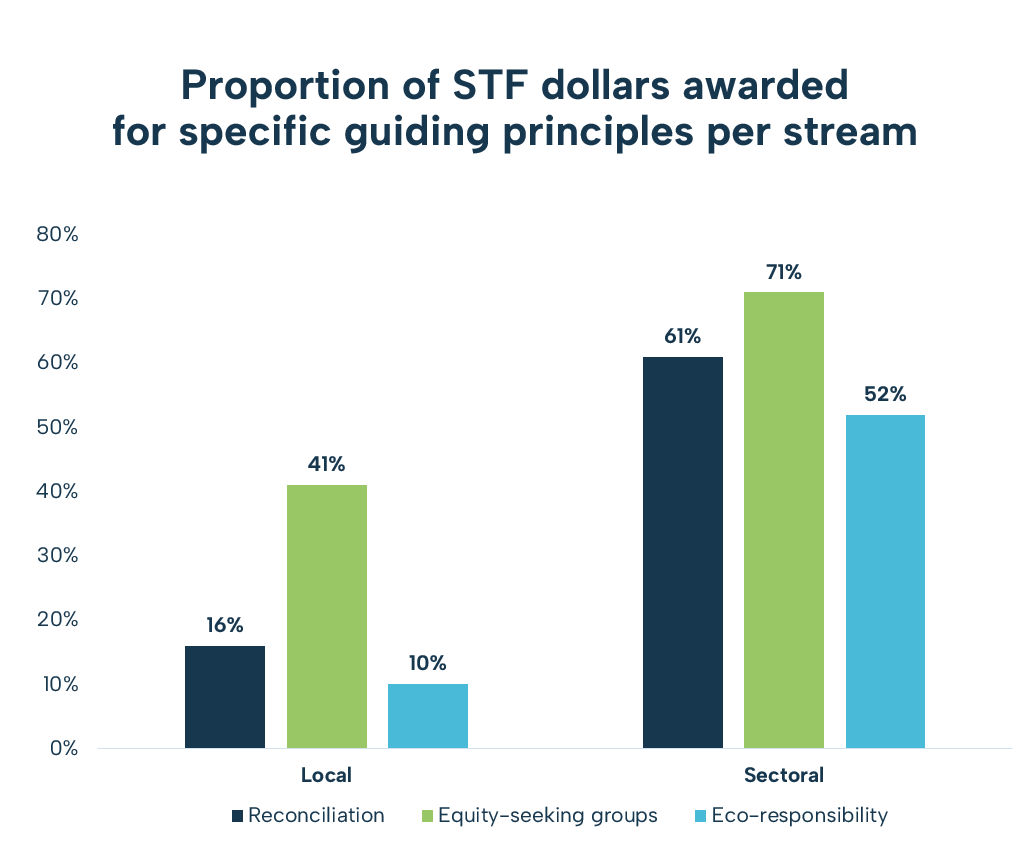
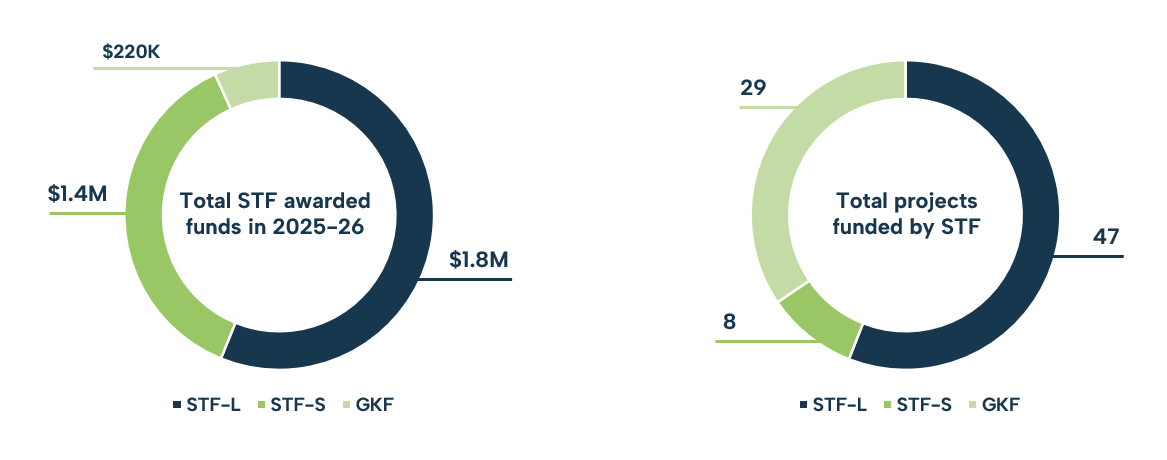
In total, 84 projects were supported during the year, representing over $3.2 million in investment. The funded projects focused primarily on financial viability, asset management, governance, and social inclusion, reflecting the growing need for professionalization, consolidation, and organizational preparedness in response to the sector’s changing scale.

Strengthening the sector’s capacity to grow, consolidate and deliver results on a larger scale
The Local Projects component (STF-L) supported organizations across the country to strengthen their organizational foundations and plan for long-term growth.
Strengthening the sector's
capacity to grow
In 2025–2026, 47 projects received a total of over $1.8 million in funding.
The supported initiatives addressed key issues such as asset management, financial sustainability, governance, social inclusion, and environmental transition. Many organizations used this support to structure their operations, improve their management practices, develop growth strategies, or prepare for future development and acquisition projects.
Supporting sector-wide infrastructure and solutions
The Sectoral Impact component (STF-S) supported initiatives designed to drive lasting, large-scale transformation across the community housing sector.
Supporting sector-wide infrastructure
and solutions
In 2025–2026, eight projects received a total of nearly $1.2 million in funding.
These projects facilitated the development of shared tools, collaborative models, sectoral platforms, and replicable approaches aimed at improving the operational and financial capacities of organizations. Several initiatives also helped structure collaborative networks, strengthening collective infrastructure, and accelerating knowledge-sharing across the country.
As the sector is expected to play an increasingly important role in the development of non-market housing, the STF-S continues to act as a catalyst for consolidation and professionalization.
Supporting the emergence of green projects
The Green Kickstarter Fund (GKF) returned this year to support initiatives related to the energy transition, environmental sustainability, and greening of buildings. Throughout the year, 29 projects were supported across the country. Funded initiatives included preliminary studies, energy assessments, planning, and various preparatory steps related to greening buildings.
Complementary to the Regional Energy Coach (REC) program, the GKF encourages experimentation, project development, and the gradual integration of climate considerations into asset management.
A lever for capacity building in Nunavut
In 2025–2026, the Nunalingni Piruqpaalirut Fund (NPF) continued its role as a catalyst, supporting Nunavik organizations and the development of solutions tailored to the realities of northern communities.
A lever for capacity building
in Nunavut
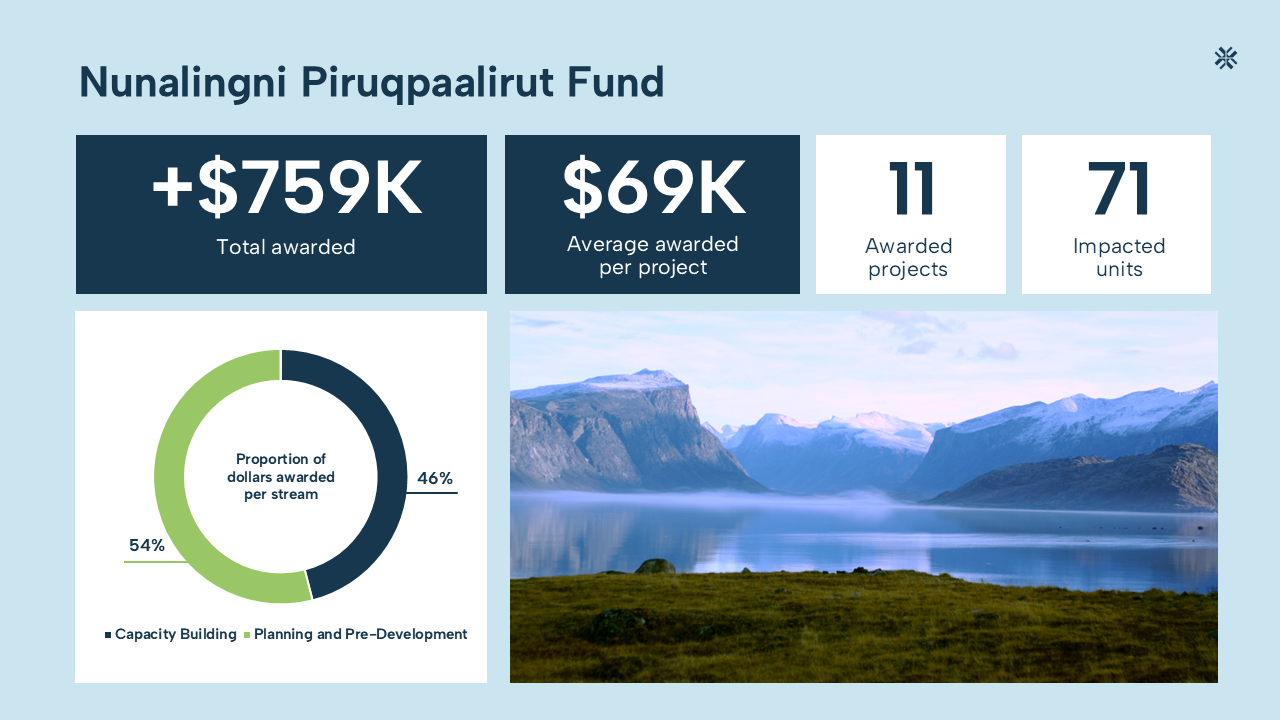
A total of 11 projects were funded, representing an investment of over $759,000.
The supported initiatives focused primarily on organizational development, residential project planning, operational readiness, and local capacity building. Several projects also aimed to develop culturally grounded approaches, adapted to Inuit realities and designed directly by the communities.
Since its inception, the fund has supported 16 projects representing over $1 million in investment in the Kitikmeot, Kivalliq, and Qikiqtaaluk regions.
Accelerating development in Newfoundland and Labrador
The Newfoundland and Labrador Community Housing Growth Fund (NL-CHGF) continued to support organizations in the preparation and development of new community housing projects across the province.
Accelerating development in
Newfoundland and Labrador
This year, 12 projects were awarded a total of $490,000 in funding. The fund reached its full allocation of $1.25 million, supporting 28 projects in 15 municipalities and 7 regions.
The projects focused on the planning and pre-development of community housing for vulnerable populations, including seniors, low-income individuals, people experiencing homelessness, and newcomers.
By supporting feasibility studies, environmental assessments, architectural plans, and fundraising efforts, the fund helps advance projects that can increase the supply of community housing in the province over the long term.
Supporting growth in Nova Scotia and preparing for the projects of tomorrow
The Nova Scotia Community Housing Growth Fund (NS-CHGF) continued its role as a catalyst for supporting the expansion of community housing.
Supporting growth in Nova Scotia
In 2025–26, 41 projects were supported across 11 counties and regions, representing an investment of over $1.4 million.
The initiatives focused primarily on increasing organizational capacity, planning and pre-development for construction, and strengthening the resources needed for the future expansion of housing units. Specifically, the fund supported feasibility studies, project preparation activities, research initiatives, and the development of tools.
By facilitating project preparation and maturation, the NS-CHCF helps organizations position themselves to access more funding and growth opportunities.
Promoting equity across Nova Scotia’s housing sector
The Nova Scotia Black Community Housing Growth Fund (NS-BCHF) funded five projects during the year, totaling $200,000, primarily in the Halifax and Colchester areas.
Promoting equity across Nova Scotia’s
housing sector
The supported initiatives focused on organizational capacity building, as well as the planning and pre-development of future housing projects. Several projects also aimed to reduce systemic barriers and increase the capacity of organizations to lead initiatives grounded in the needs and realities of Black communities.
The NS-BCHF thus contributes to creating conditions conducive to the development of a more inclusive, better-equipped, and locally grounded community housing sector.
Preserving affordable housing and strengthening acquisition capacity in Nova Scotia
This year, the Nova Scotia Community Housing Capital Fund (NS-CHCF) continued its efforts to support the acquisition and preservation of affordable housing.
Preserving affordable housing
in Nova Scotia
A total of 16 projects were funded, representing an investment of over $11.2 million and helping to preserve 518 affordable housing units in four Nova Scotia municipalities.
The fund also continues to strengthen the sector’s acquisition capacity through its prequalification process. Since the program’s launch, six organizations have prequalified through an assessment of their governance, financial viability, and operational capacity to manage the growth of their housing portfolios.
By combining the preservation of affordable housing units with organizational capacity building, the NS-CHCF is helping create a stronger ecosystem better prepared to operate in the housing market.
A new partnership for construction in Montreal
The Centre, in partnership with the Plancher Fund and the City of Montreal, launched a new program to accelerate the development of off-market housing on municipal land.
A new partnership for construction
in Montreal
This program provides forgivable loans to support the pre-development phase of residential projects on municipally owned sites.
Called the Prêts rotatifs immobiliers (PRRIMM), the project entered its pilot phase with conditional approval and the establishment of a $3 million fund that the Centre will administer on behalf of the Plancher Fund.
The work completed has defined the PRRIMM operational model, including eligibility criteria, loan parameters, and project assessment tools.
Supporting the energy transition of the sector
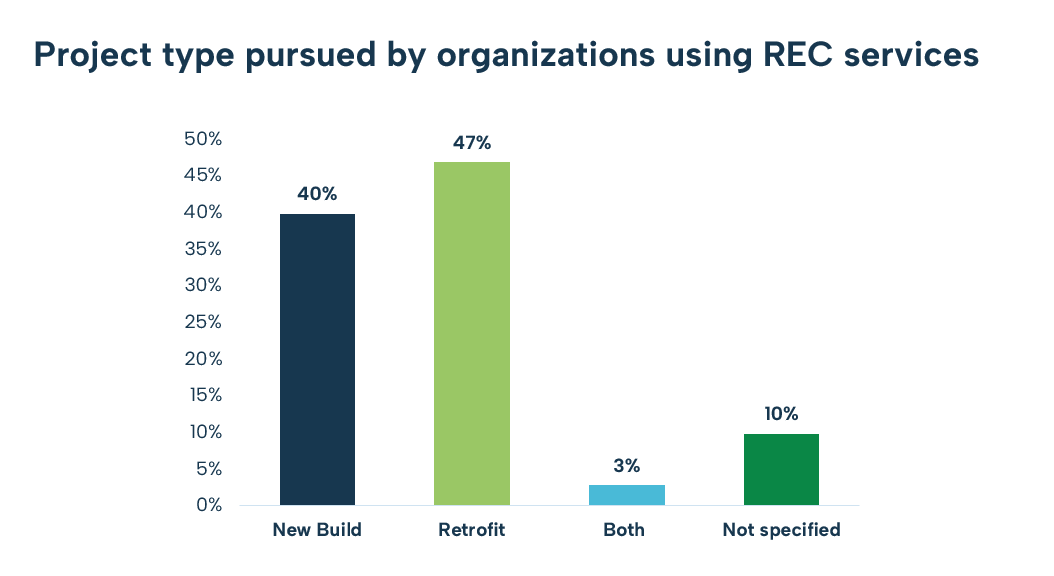
During the year, the Regional Energy Coach (REC) program supported 140 organizations and conducted over 100 mobilization and knowledge-sharing activities.
Supporting the energy transition
of the sector
Services offered included technical support, assistance with funding applications, energy planning, and support for the development of energy-efficient renovation and construction projects.
In response to the gradual reduction in funding for the Federation of Canadian Municipalities (FCM) Sustainable Affordable Housing (SAH) program, the Centre and its partners reviewed the REC model to diversify its scope and maintain its impact.
This reflection focused on new avenues for the program, such as developing a green energy hub, expanding support services, and developing new partnerships. This evolution aims to make the REC program a more integrated and sustainable support structure, helping organizations in the energy transition, the modernization of their assets, and the development of more resilient community housing in the long term.
PRIORITY 2
Develop resources, people, and processes to diversify leadership and improve sector viability.
The transformation of the community housing sector depends on organizations’ ability to strengthen their human resources, improve their systems, and make use of knowledge transfer mechanisms.
Develop leadership and improve sector viability
To support this evolution, the Centre continued its efforts to help build a stronger, more representative, and better-equipped sector capable of responding to the current and future challenges facing community housing.
Throughout the year, the Centre advanced initiatives focused on skills development, professional growth, knowledge sharing, and the establishment of shared practices. Through its coaching, training, and mobilization efforts it continues to strengthen sector capacity across Canada.
Scaling impact through coaching
The Coaching for Growth (C4G) program was expanded this year. Building on lessons learned from the Prince Edward Island pilot project and work carried out in several provinces, the initiative brings organizations together in cohorts to strengthen their development, governance, strategic planning, and growth management capacities through collaboration.
Scaling impact through coaching
This approach fosters peer learning among organizations, supports the establishment of shared practices, and contributes to the gradual development of sector norms and standards.
Throughout the year, the Centre engaged with municipal, provincial, and sector partners to prepare for the launch of new cohorts and support models tailored to regional realities. These efforts led to the signing of a multi-year agreement with the City of Edmonton.
The growing interest in the program reflects increasing recognition of the need for support models that enable more sustainable, scalable, and replicable growth in community housing across Canada.
Mobilizing knowledge to support sector growth
The Centre continued to strengthen its knowledge-sharing and training infrastructure to support the sector’s professionalization and long-term growth. The Knowledge-Sharing Webinar Series, the Resource Inventory, collaborative workshops held at conferences across the country, and the advancement of the Community Housing Academy (CHA-ALC) are designed to improve access to tools, expertise, and practical learning opportunities.
Mobilizing knowledge to support
sector growth
Together, these initiatives contribute to building a knowledge mobilization and dissemination ecosystem that supports community housing organizations and professionals in strengthening their capacities.
A key focus for the Communications and Programs teams was the rollout of the first four webinars in a monthly series. Designed to facilitate the sharing of practical experience and successful, replicable approaches, the webinars connect organizations and regions across the country. With 472 registrations, a 50% participation rate, and a 45% on-demand viewing rate, the webinars now play a central role in the Centre’s visibility and engagement strategy.
The Resource Inventory has also become a major component of the Centre’s offering. It grew to more than 2,500 published resources and plays an increasingly important role in providing access to sector knowledge and practices. Following over a year of development and refinement, a new interface designed to improve user experience was launched. These efforts improved the discoverability of the Resource Inventory, making its homepage one of the most visited pages on the Centre’s website throughout the year.
The Centre also delivered several interactive workshops as part of regional and national conferences. These activities brought organizations together to explore issues related to growth, transformation, and scaling. By sharing experiences and perspectives, these collaborative spaces helped build a shared vision for advancing the 20% community housing target in Canada and the capacities needed to achieve it.
Scaling up with the Community Housing Academy
CHA-ALC also continued to evolve throughout the year. Significant progress was made on the learning platform, including the development of the training portal, the integration of the learning management system, and the launch of a mobile application on both iOS and Android. The year was also marked by new content partnerships with sector organizations and the creation of future learning pathways.
Through these complementary initiatives, the Centre is helping build a pan-Canadian infrastructure for capacity development, collective learning, and knowledge transfer that can support the sector’s long-term transformation and growth.
Empowering organizations that support housing stability with RentSmart
In addition to maintaining its training activities and generating autonomous revenue for the Centre, the RentSmart program continued its geographic expansion and the adaptation of its content to better reflect regional realities and partner needs. The program was reintroduced in Alberta this year through the City of Calgary’s Home Program, and outreach efforts were undertaken to establish new partnerships in Manitoba.
Expansion of RentSmart
Work carried out throughout the year focused on improving operational systems, developing new educational content, and evolving the program delivery model. RentSmart adapted its curriculum for Alberta, developed a shortened online version of the program, and structured new growth and licensing approaches for the coming years. Strategic work was also undertaken to strengthen synergies between RentSmart and CHA-ALC in terms of training offerings and technological infrastructure.
The program generated revenue and maintained a high level of engagement among educators and community partners. In total, 24 RentSmart Educators were trained, 33 hours of live training were delivered, and 17 certification pathways were completed or initiated. The program also achieved a 94.5% satisfaction rate among participants, exceeding the target set for the year.
The program also demonstrated its flexibility by being delivered in a correctional facility, helping individuals preparing to re-enter the community build the knowledge and skills needed to support housing stability following their release.
Through its expansion and the evolution of its tools, RentSmart continued to support front-line organizations in delivering more sustainable, inclusive, and preventative approaches to housing stability and tenant support.
Strengthening sector representation in Saskatchewan
Efforts to support the development of a stronger and more structured sector infrastructure for community housing in the province continued throughout the year.
Strengthening sector representation in Saskatchewan
Work undertaken to support the expansion of the Saskatchewan Non-Profit Housing Association (SNPHA) included the development of a strategic and operational plan, a comparative analysis of similar organizations across the country, and engaging the board of directors on priorities related to sector growth and development.
Discussions were also initiated with the Saskatchewan Housing Corporation to support a future phase of capacity building. This work reflects the growing importance of developing sustainable sector infrastructure that can support the growth and professionalization of community housing at the provincial level.
PRIORITY 3
Improve the economic and social sustainability of the Centre
Remaining true to its vision, the Centre pursued the diversification of its revenue streams, the development of new partnerships, and the evolution of its intervention models. Its sustainability also depends on the Centre’s ability to maintain a high level of external and internal trust, collaboration, and engagement with its partners and its staff.
By strengthening its foundations and its capacity to adapt, the Centre is not only preparing for its future, but also creating the conditions needed to accelerate impact across the community housing ecosystem.
Developing new revenue streams to support the Centre’s mission
To support its long-term sustainability, the Centre sought out opportunities to diversify its revenue by creating new programs and expanding existing ones through the renewal or extension of funding agreements. The following initiatives reflect the results of this work.
Extensions and refinancing
Coaching for Growth (C4G) reached an important milestone with the confirmation of a multi-year commitment from the City of Edmonton to support the program’s first official project after the PEI pilot.
New programs and expansions
PRRIMM, developed in partnership with the City of Montreal and the Plancher fund, has been capitalized with funds from the city, along with an approved financing offer from National Bank. The Centre will play a key role in administering and managing the fund.
Portrait, an initiative developed in collaboration with Concordia University’s Living Lab, received funding for the creation of a sector intelligence platform aimed at improving the documentation of community housing stock and supporting strategic sector planning.
RentSmart continued its expansion through the City of Calgary’s Home Program as part of a multi-year rollout in Calgary in partnership with the Canadian Mental Health Association Calgary.
Through these initiatives, the Centre strengthened its role as an implementation, capacity-building, and support partner for governments, municipalities, and sector organizations.
Extensions and refinancing
Discussions were held with Nova Scotia’s Department of Growth and Development to extend the Nova Scotia Community Housing Growth Fund (NS-CHGF) for the 2026–2027 fiscal year.
Extensions and refinancing
In Nunavut, the Nunalingni Piruqpaalirut Fund (FNP) was also the subject of refinancing discussions with the Nunavut Housing Corporation. An agreement is currently being finalized to extend the program for the 2026–2028 period.
The REC program also secured a one-year extension with the Federation of Canadian Municipalities (FCM), including additional funding for the program’s delivery partners.
These renewals and refinancing agreements help strengthen the financial stability of initiatives led by the Centre while supporting the continuation of transformative projects related to capacity development, ecological transition, and community housing growth across Canada.
Positioning communications as a catalyst for sector transformation
The Communications business unit underwent a significant evolution this year, strengthening its role in driving cultural transformation within the Centre’s broader ecosystem. This evolution took shape through the development of an integrated approach that combines communications, knowledge sharing, and sector capacity development.
Positioning communications as
a catalyst for sector transformation
This repositioning was supported through the implementation of a new visibility strategy that framed knowledge sharing as a central driver of engagement. Webinars, digital content, and targeted campaigns were used not only as communications tools, but also as entry points into broader learning pathways.
The second half of the year was marked by the implementation of this approach, notably through the launch of a knowledge-sharing webinar series and the adoption of a “content loop” model that allows each activity to be adapted into multiple complementary formats. This approach is part of a broader strategy in which content drives engagement and learning ultimately, the transformation of practices across the sector.
At the same time, the Centre continued to optimize its digital ecosystem, including its website, Google Ads campaigns, and outreach tools to expand content reach and better connect audiences with the Centre’s resources, programs and opportunities.
Finally, the unit continued to play a key role in producing major institutional content and supporting the Centre’s event strategy, helping position the Centre as a catalyst for learning, dialogue, and action across the sector.
Strategic governance for a growing organization
Throughout 2025–2026, the Centre’s governance continued to play a central role in supporting both the organization’s growth and the broader transformation of the community housing sector.
Strategic governance for a growing
organization
Against a backdrop of growing challenges related to capacity, financing, professionalization, and scaling across the country, the board of directors continued to guide the organization’s development as a pan-Canadian infrastructure for sector support, coordination, and capacity development.
The board’s work notably focused on aligning the Centre with new federal housing priorities, diversifying revenues, developing new support models, and strengthening the sector’s organizational capacities.
A review of organizational risk management was also conducted with the support of BOD Canada. This work helped update the Centre’s risk registry and identify several strategic priorities related to board succession, political risks, cybersecurity, and internal controls. This process contributes to strengthening the Centre’s long-term resilience and sustainability.
Continuous improvement of internal operations
Throughout the year, the Operations team led significant work to support the Centre’s rapid growth. Efforts focused on strengthening administrative, financial, technological, and human resources functions to improve the organization’s capacity to support a growing number of initiatives, partners, and programs.
Continuous improvement of
internal operations
Information technology work this year focused on the continued migration to Salesforce, the complete redesign of the My Centre portal, and the integration of the Resource Inventory into the platform. New AI-powered search features were also implemented to improve user experience and access to sector knowledge. The team also supported several strategic projects, including C4G, Portrait, and the development of the PRRIMM program.
The Centre hired a Human Resources Manager who is leading the review of job descriptions, the development of a competency framework, and updating internal policies. Teams also worked to strengthen organizational practices and processes in support of the Centre’s future growth and the requirements associated with SOC 2 certification.
The Finance and Administration teams supported the development of the annual budget, audit activities, coordination of board activities, and the improvement of the tools, processes, and accountability mechanisms required by a rapidly growing organization.
Conclusion
Looking ahead
Across the country, the community housing sector is in a new phase of development. Long focused on preserving and managing an existing housing stock, the sector is now being called upon to play a far more structuring role in responding to the housing crisis, supporting community development, and creating a more sustainable and accessible housing system.
The initiatives presented in this report reflect this ongoing transformation. Through the development of new capacities, the emergence of collaborative models, the strengthening of sector infrastructure, and the acceleration of growth and preservation projects, sector organizations are progressively positioning themselves to operate at greater scale.
This shift is part of growing sector mobilization in pursuit of expanding community housing to reach 20% of Canada’s housing stock. This objective reflects increasing recognition of the essential role the sector plays in building more inclusive, resilient, and sustainable communities.
In this context, the Centre will continue its work to support this transformation and contribute to the development of a stronger, more connected sector that is better equipped to advance community housing growth across Canada.