
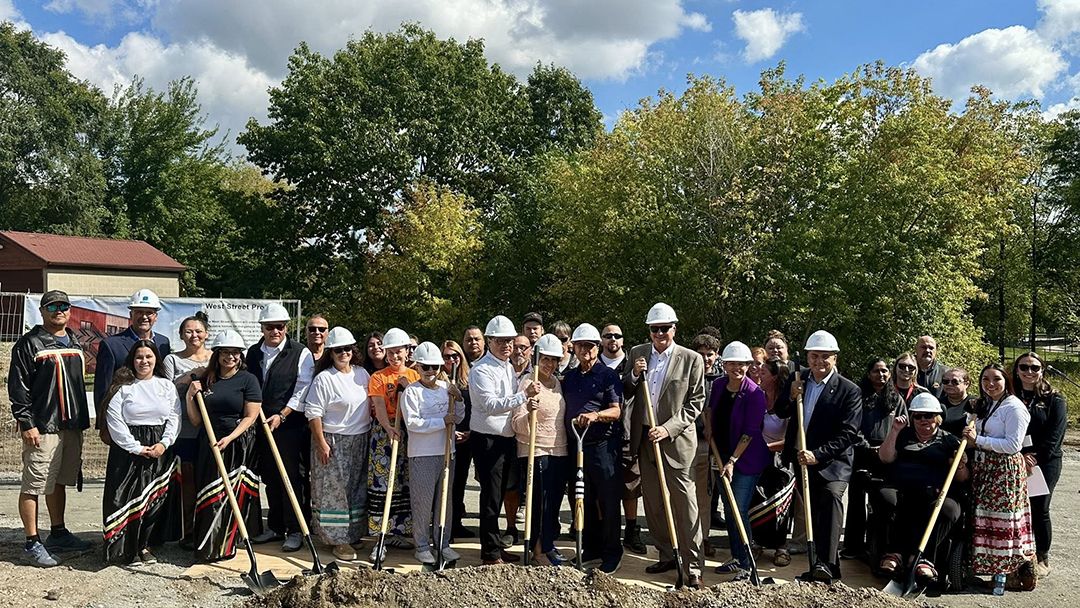
What does leadership look like in a housing system that continues to underserve Indigenous communities?
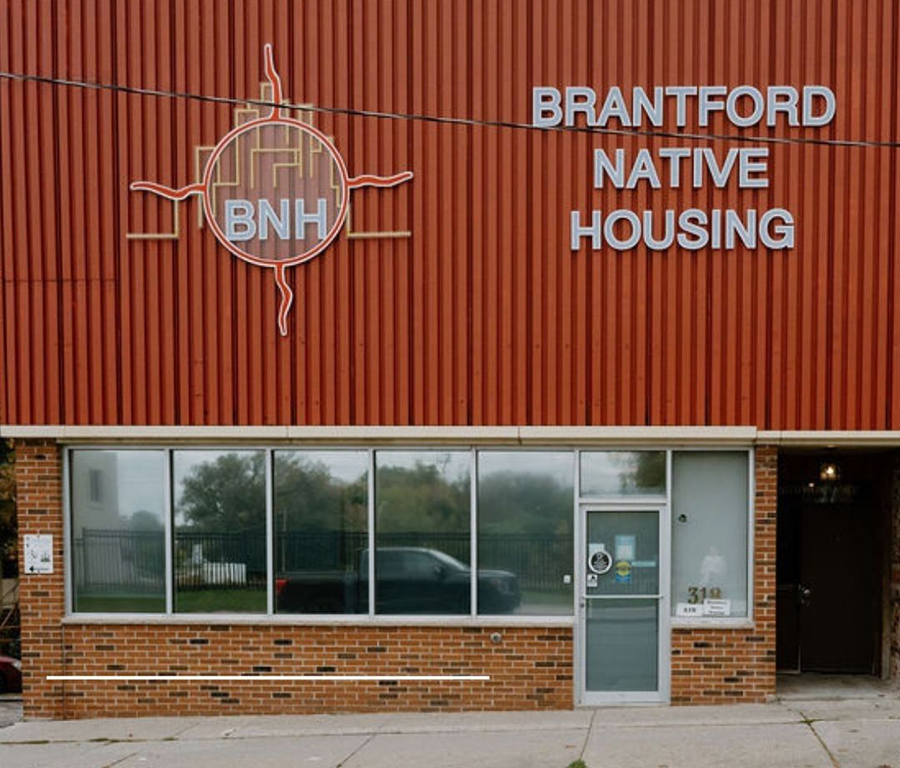
At Brantford Native Housing (BNH) in Brantford-Brant County, Ontario, leadership is grounded in community, accountability, and lived realities. Under Executive Director Alma Arguello, leadership is less about directing from the top and more about building capacity from within.
Leadership rooted in responsibility to community
For Arguello, leadership begins with a clear understanding that shapes her decisions and priorities: housing systems do not affect all communities equally. With more than two decades in the non-profit sector, her work across immigration and violence against women has shaped a view of housing as deeply connected to safety, health, and systemic inequities.
She has seen how Indigenous communities, particularly in urban settings, continue to face longstanding barriers to safe and appropriate housing. A key issue, she notes, is not a lack of knowledge, but a gap between knowledge and decision-making. As she notes, Indigenous peoples are often invited only after the plans are made. Indigenous organizations are still too often brought in after key decisions are made rather than shaping them from the outset.
This insight directly informs her leadership at BNH: decisions must be grounded in community realities, not made at a distance.
From compassion to action
Arguello draws a clear distinction between compassion and action. While the housing sector is rich in data and discussion around equity, this does not consistently translate into coordinated, sustained responses, particularly in urban Indigenous housing.
At BNH, this means acting on identified needs rather than waiting for alignment. Programs are developed in response to real gaps, with a focus on immediacy, relevance, and accountability to the community.
Building leadership from within
A defining element of Arguello’s leadership is her focus on internal capacity and succession. Leadership development is embedded in daily operations, with a deliberate emphasis on mentoring and advancing Indigenous staff.
Rather than relying primarily on external recruitment, BNH invests in developing talent across functions such as property management, human resources, accounting, and social services. Staff are supported to grow into leadership and decision-making roles through coaching, hands-on experience, and clear progression pathways.
This focus strengthens long-term sustainability while reinforcing a model of leadership that is representative, community-rooted, and continuous. In a sector where succession is often an afterthought, BNH actively cultivates the next generation of leaders from within.
It also reflects a democratic model of governance, where decision-making is shared and grounded in collective experience.

A housing model shaped by lived realities
Within a context that includes formal requirements and reporting expectations, the organization continues to develop solutions in response to identified community needs, while maintaining participatory practices consistent with the democratic values of community housing.
BNH was created to address immediate community need, and its services have expanded accordingly, from housing for women to supports for men, families, and youth.
In its early years, housing solutions were developed with limited external support, with the organization itself acquiring and repurposing homes to respond to urgent gaps in the community. Today, BNH offers a range of housing options that includes rent-geared-to-income and affordable units, market rentals, transitional and supportive housing, as well as scattered homes and apartment units across the community. This portfolio is supported through a combination of owned properties, rental revenues, and partnerships with municipal, provincial, and Indigenous housing programs. This evolution was not driven by a predefined model, but by ongoing observation of gaps in available supports.
Under Arguello’s leadership, this responsiveness continues to guide program design. The organization’s work is grounded in cultural realities, informed by trauma-aware practices, and takes into account the impact of intergenerational experiences on housing needs. These practices are rooted in a For Indigenous, By Indigenous (FIBI) framework and reflect BNH’s mission to support both urban and rural Indigenous communities.
In Brantford and Brant County, where the impacts of residential schools continue to be felt across generations, this reality is particularly pronounced. BNH works with a historically marginalized Indigenous population, who remain overrepresented among those experiencing homelessness or housing instability.
Housing as a driver for community stability
A key element of Arguello’s leadership is how housing is positioned within the organization’s work.
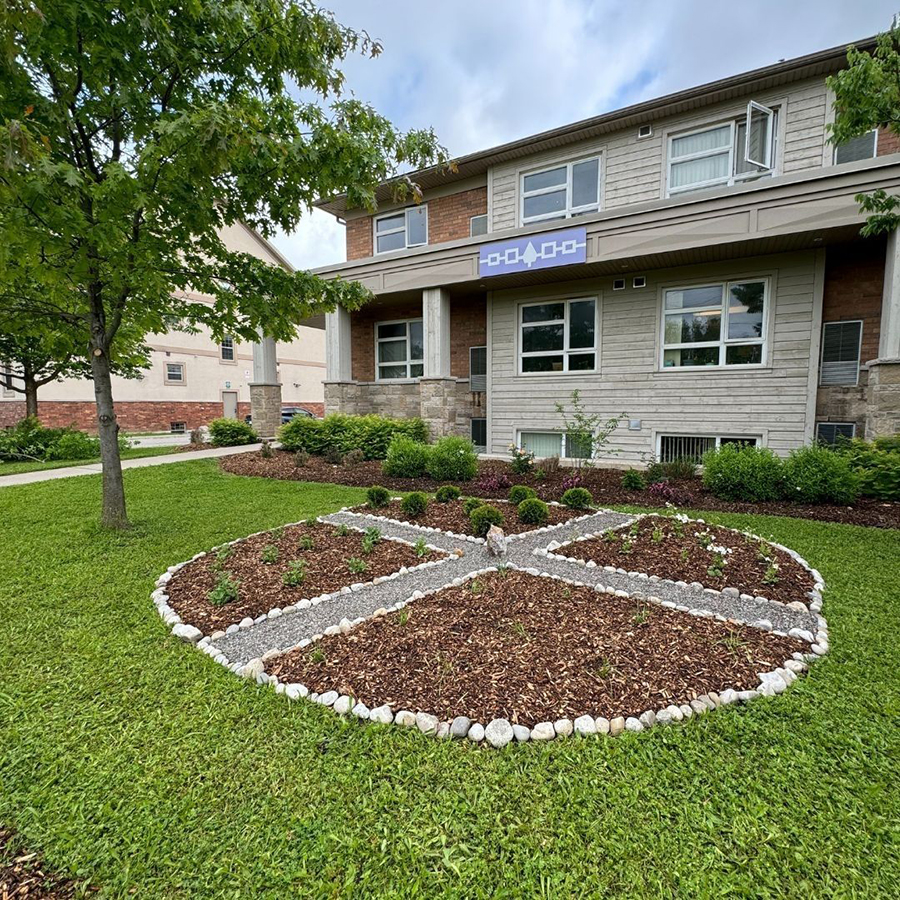
At BNH, housing is understood as a starting point for stability and a means of building community, rather than an endpoint. This is reflected in the design of transitional housing, where families have access to private spaces and can rebuild routines in ways that reflect their own realities. Support is available, but not imposed, and participation in programming remains flexible.
The organization also maintains ongoing relationships with tenants. Housing wellness workers provide follow-up support, helping address challenges as they arise and connecting individuals to additional services when needed.
In some cases, this includes facilitating conversations within families to support shared decision-making, recognizing the importance of extended support networks.
Working within and alongside the sector
Arguello’s perspective also reflects her experience engaging with the broader housing sector.
This perspective points to the challenge of aligning how systems operate with the realities faced on the ground. At the same time, these organizations are responding to complex and evolving needs on the ground.
Her observations point to a disconnect that practitioners across the sector may recognize: : not a limitation of systems themselves, but the challenge of ensuring they remain connected to community expertise and responsive enough to address complex and rapidly changing realities such as housing instability and homelessness.
In this context, the organization focuses on maintaining responsiveness while navigating these broader structures.
Taken together, Arguello’s perspective points to the current place of Indigenous leadership in the sector as present but not consistently embedded in decision-making. Effective approaches are rooted in community knowledge, long-term relationships, and internal capacity building. What is more challenging, as she describes it, are processes where engagement happens later rather than earlier, and where system-level directions are set without that input. From her vantage point, changes relate less to new models and more to how existing processes include Indigenous organizations earlier and support them in a sustained way.
Recognition as part of a broader picture
In 2024, BNH received an Award of Excellence from the Ontario Non-Profit Housing Association, recognizing organizations that demonstrate outstanding performance, innovation, and leadership in delivering quality housing and strong outcomes for tenants and communities.
Within the organization, this recognition reflects the outcomes of a model that has developed over time through close connection to community. It also highlights the role that community-based organizations play within the broader housing system, particularly in maintaining a close connection to the populations they serve.
For Arguello, the impact of this work is often most visible over the long term, in the stability and opportunities that housing can support for individuals and families, while also reflecting the urgency of responding to housing instability and the importance of trusting organizations that remain closely connected to community realities.
Leadership grounded in practice
Arguello’s leadership is grounded in practice rather than theory, emphasizing accountability, investment in people, and responsiveness to lived realities, and recognizing that housing work is both operational and relational. Her approach points to a clear conclusion: leadership rooted in community, supported through succession and ongoing knowledge transfer, and connected to lived experience is essential to building more effective and inclusive housing systems.
All photos provided by Brantford Native Housing.