
Across Canada, women-led and community-based organizations are shaping a more resilient future for community housing by creating solutions that are inclusive, equitable, and grounded in local leadership.
From British Columbia to Nunavut to New Brunswick, organizations such as Entre Nous Femmes Housing Society (ENFHS), Amautiit Inuit Women’s Association, and Housing for Life are showing how women’s initiatives build stronger communities through shared knowledge, collaboration and collective care.
The gendered face of housing insecurity
Women face disproportionate barriers to safe and affordable housing. Lower earnings, caregiving responsibilities, and systemic inequities make them far more likely to experience housing need or instability.
According to the Canada Mortgage and Housing Corporation (CMHC), lone-parent households (most of them led by women) face core housing need rates nearing 20%, compared with 6% for couples with children. Among racialized women, that figure rises to 16.8%, compared with 8.5% for non-racialized women. Women who have experienced homelessness are eight times more likely to live in subsidized housing than those who have not (Statistics Canada, Women in Subsidized Housing, 2023).
In Moncton, single-mother households are nearly three times more likely to experience housing need, and over 90% of very low-income households in need are single-person households (UBC Housing Assessment Resource Tools, 2024). Vacancy rates for affordable rentals remain critically low: just 0.3% for units priced between $750 and $999 (CMHC Rental Market Portal, 2024).
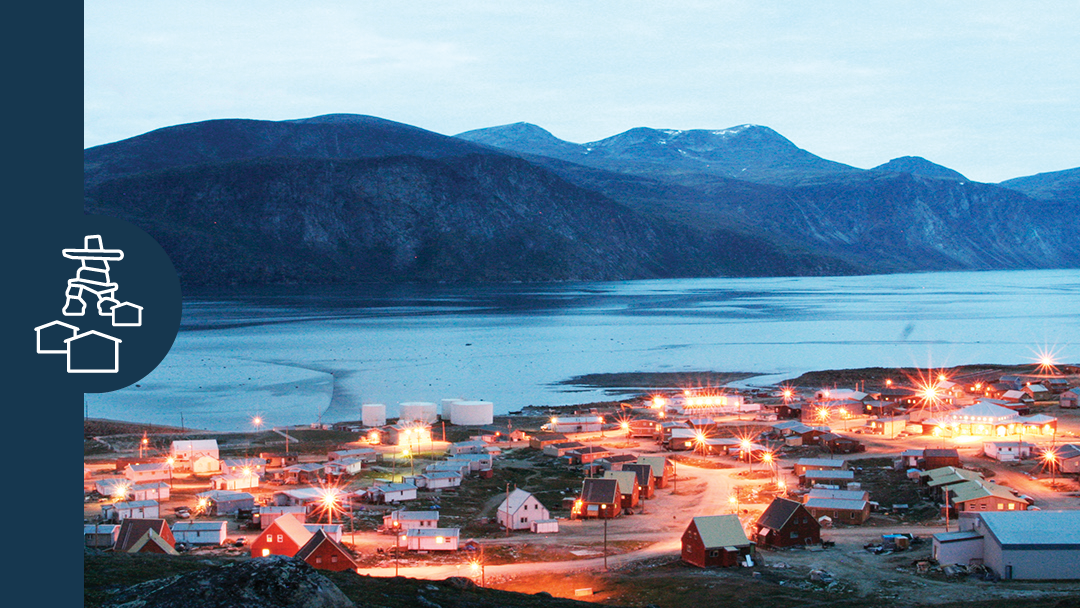
In Nunavut, housing insecurity deepens where gender and geography intersect. More than half of Inuit women (52%) live in overcrowded housing, and nearly one in four (23%) live in a home requiring major repairs (Pauktuutit Inuit Women of Canada, Housing and Homelessness for Inuit Women in the North, 2022). As primary caregivers in multi-generational households, women face the daily consequences of inadequate housing, from health risks to limited opportunities for education and employment.
Across these contexts, the pattern is clear: the housing crisis is not only a question of supply or affordability, but of capacity; the systems, knowledge, and community leadership needed to plan, manage, and sustain housing over time.

From projects to systems: tools that make change last
Three organizations, three regions, one shared approach: investing in governance, training, and design to build lasting capacity. Each of these initiatives takes a different path, from organizational renewal in British Columbia to technical training in Nunavut to sustainable design in New Brunswick, yet all share the same objective: creating housing that endures because the systems behind it are strong. Each a replicable pathway toward housing that lasts, replacing dependency on short-term funding with the ability to lead, plan, and adapt from within.
Entre Nous Femmes Housing Society (ENFHS): strategic clarity and community connection
Founded in 1982, Entre Nous Femmes Housing Society (ENFHS) has long provided affordable housing for women and families in Metro Vancouver. Through support from the Sector Transformation Fund – Local Projects and the Green Kickstarter Fund (GKF), the society strengthened its internal systems and community engagement initiatives. These investments supported a process of strategic planning, HR restructuring and the creation of community gardens that improve food security and foster social connection among residents. Together, these changes helped align governance, staffing and mission around a renewed purpose: to provide safe, affordable homes and build inclusive communities where women and families can thrive with dignity and connection.
Today, ENFHS operates 13 properties with over 500 affordable homes, serving more than 1,200 residents, women, children, seniors, and people with disabilities (ENFHS Strategic Plan 2023–2028). Under its five-year plan, the Society aims to expand from 409 to 1,000 homes by 2028, with 70% Rent-Geared-to-Income (RGI) units, meaning tenants pay roughly 30% of their income in rent. To achieve this growth, ENFHS intends to develop new housing, acquire additional properties, and pursue partnerships and mergers with other non-profit housing providers, while maintaining financial sustainability and minimizing the need for additional equity contributions from the Society itself.
This expansion aligns with the organization’s commitment to serve women and gender-diverse people, single-parent families, Indigenous peoples, and other historically marginalized groups, and emphasizes asset renewal, climate resilience, and long-term affordability.
ENFHS’s evolution illustrates how organizational clarity governance, mission, and human resources directly translates into growth and resilience.
Amautiit Inuit Women’s Association: building local capacity for sustainable housing in the North
Across the Nunavut Territory, the housing system faces a critical shortage of local professionals, with many inspections, maintenance and planning tasks still carried out by specialists from the South. This gap not only limits community control but also makes long-term housing management costly and difficult to sustain.
Amautiit Inuit Women’s Association is redefining capacity building by investing in women’s technical and leadership skills. Through its Empowering Indigenous Women Training Program, supported through the Centre’s Nunalingni Piruqpaalirut Fund for housing in Nunavut ,Capacity Building stream, Amautiit is addressing that challenge by training Inuit women to become home assessors and inspectors, equipping communities with the knowledge and expertise to plan, maintain and improve housing locally.

“This project generates quite a lot of excitement, especially following the Nunavut Housing Forum, where we discussed the need for more capacity-building efforts, particularly those that train young Inuit,” explains Alexander Wolf, BC, Nunavut, NWT & Yukon Program Manager at the Centre. “What makes this initiative stand out is its focus on women caregivers, many of whom support children or elders and need flexible employment opportunities.”
The program builds on existing strengths within Inuit society, recognizing the central role women have always played in sustaining families, caring for elders and maintaining community life. Rather than introducing an external model, it draws on these cultural foundations to strengthen local leadership and decision-making in housing.
By focusing on practical training and local delivery, Amautiit is developing long-term capacity to lead, assess and maintain housing infrastructure within their own regions.
The program’s design reflects that intent: it includes per diem and childcare supports, blends in-person mentorship with digital tools adapted for low-connectivity regions, and partners with Arctic Fresh, a social enterprise based in Igloolik, to introduce entrepreneurship and sustainable building practices.
By enabling women to gain technical and managerial skills without leaving their communities, Amautiit is helping to build local expertise that can strengthen housing capacity across Nunavut and inform future training efforts in other northern and rural regions.
Housing for Life: Women leading sustainable housing
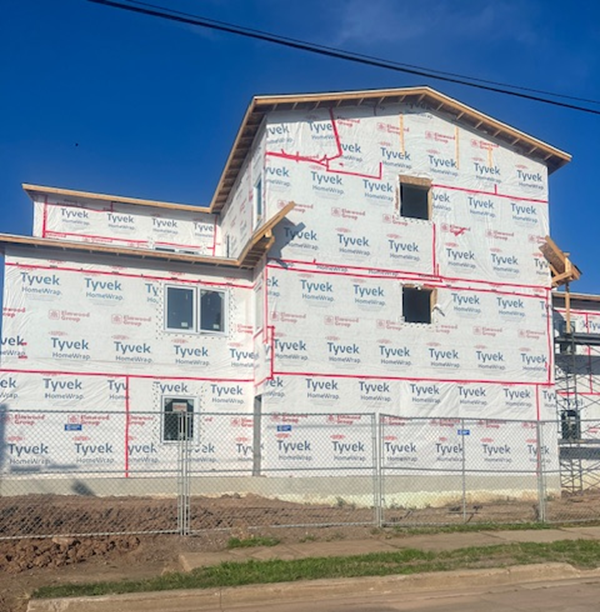
In Moncton, Housing for Life is developing 15 affordable units for women and single-parent families experiencing housing insecurity, set to open in 2026. Co-founded by Sister Auréa Cormier, a long-time advocate for social justice and affordable housing, the organization brings together community members who believe that access to safe, efficient housing is essential to dignity and stability.
With guidance from the Centre’s Regional Energy Coach (REC) program, the organization integrated energy-efficient design principles from the start, ensuring that the project remains affordable throughout its life cycle. The program also helped the team navigate complex planning and funding processes, providing a foundation for long-term sustainability.

“The guidance of Kathrine Lapalme was invaluable. At the beginning we did not know how to go about it. She helped us structure the project and gave us the confidence to move ahead.”, states Sister Auréa Cormier.
Donna Ferguson, a civil engineering technologist, board member of Housing for Life and cofounder of SheBuilds, a trades initiative that promotes women’s participation and leadership in construction and engineering, has played a key role in shaping the project’s technical approach. In a sector where women remain underrepresented, her work through SheBuilds helps bridge critical skill gaps and ensure that women’s expertise and perspectives are reflected in how housing is planned, built and maintained.
“For many low-income households, the cost of heating can mean the difference between staying housed or falling back into crisis. Too many are forced to choose between eat or heat,” Ferguson explains. “We want to make sure homes are built to prevent that.”
For Housing for Life, this inclusive approach directly supports its mission to create sustainable, community-led homes that advance women’s leadership and technical excellence. By linking local expertise with programs like the REC, the project demonstrates how these collaborations can produce replicable, affordable, and energy-efficient housing models.
Scaling systems for the future
The stories of ENFHS, Amautiit, and Housing for Life show that women are driving systemic change in community housing, not through isolated projects, but by strengthening the organizations, skills, and systems that make affordability last.
Each approach, from strategic renewal and leadership training to sustainable design, reflects how women’s leadership strengthens every stage of community housing. Together, they address different pieces of the same puzzle: how to make housing work for the long term. They also represent a sector-wide shift from reaction to prevention, from funding cycles to self-sustaining ecosystems.
This is how long-term affordability takes root: through a network of resilient and learning organizations led by women, grounded in equity, capacity and care.
Learn more about how capacity-building tools like the Sector Transformation Fund – Local Projects, Green Kickstarter Fund, Nunalingni Piruqpaalirut Fund for housing in Nunavut and the Regional Energy Coach program can help your organization plan, innovate, and build for lasting impact.